Note: This is general information about criminal matters in Queensland, not legal advice about your case. Court procedures can depend on the charge, the court and what has happened so far. If you have a court date, get advice promptly and follow any bail conditions.
Entering a not guilty plea does not mean you have to prove your innocence in court. https://smoothdecorator.com/how-to-test-database-credentials-without-wordpress-loading/ It means you dispute the charge and the prosecution must prove it to the required standard. The next steps may include exchanging information, attending court events to prepare the case, making legal applications and, if the matter is not resolved, going to trial.
This guide explains the usual path after a not guilty plea in Queensland, including what can happen at a case management hearing, how bail fits in and what to ask a Brisbane criminal lawyer.
First: make sure you understand the plea
A plea is your formal answer to a charge. Pleading not guilty is a serious decision, but it does not automatically mean your case will go to trial. As the case develops, the prosecution may withdraw or change a charge, or you and your lawyer may decide to take a different course. Any change of plea should be made only after you understand the consequences and have received proper advice.
If you are unsure what a charge means, what the prosecution says you did, or what the possible outcomes are, say so before entering a plea. Do not plead guilty simply because you feel pressured or want to finish the matter quickly. Likewise, do not plead not guilty without understanding the evidence and the next steps.
Quick checklist
- Know the exact charge or charges you are answering. Ask what the prosecution must prove. Understand the next court date and whether you must attend. Get advice before changing a plea.
What usually happens after a not guilty plea in Queensland?
The route depends on the seriousness of the charge and which court is dealing with it. Many less serious criminal matters are dealt with in the Magistrates Court. More serious charges may begin there and then be sent to a higher court, such as the District Court or Supreme Court, for trial. The exact procedure and timetable vary.
Stage What may happen What you can do First appearance or plea date The court checks the charge, plea and next steps. The matter may be adjourned for preparation. Attend as directed and bring your paperwork. Disclosure and preparation The prosecution provides material it relies on, subject to the rules and circumstances of the case. Work with your lawyer to review the material and identify what is missing or disputed. Case management The court monitors preparation, narrows issues and sets or confirms future dates. Be ready to discuss what remains to be done and how long it may take. Resolution or trial The charge may be resolved, withdrawn or set down for a hearing or trial. Get advice about risks, options and what to expect in court.This is a broad outline, not a guaranteed sequence. Some matters take several appearances before they are ready to progress. Adjournments can occur because disclosure is incomplete, a witness is unavailable or a legal issue needs to be decided.
Disclosure: finding out the prosecution case
Disclosure means the prosecution provides information and evidence relevant to the case. Depending on the charge, this may include statements, police interview records, photographs, video, body-worn camera footage, forensic material or other records. The material available and the rules that apply depend on the case.
Your lawyer can explain what the evidence appears to show, what is disputed and whether further material should be requested. It can take time to obtain or review information. If you have messages, photos, documents or other material that may matter, tell your lawyer and keep it in its original form. Do not delete, edit or post about potential evidence online.
Quick checklist
- Keep court documents and any police paperwork together. Tell your lawyer about possible witnesses and relevant records. Do not contact witnesses about what they should say. Ask what disclosure has arrived and what is still outstanding.
What is a case management hearing in Queensland?
A case management hearing in Queensland is a court event used to check how a matter is progressing and what needs to happen next. The name, purpose and procedure can vary with the court and type of proceeding. It is not necessarily the trial, and it does not by itself decide whether you are guilty.
The court may check whether the parties have received relevant material, whether the case is ready to move forward, what issues are still disputed and how much time future steps may need. The court may also set dates for further appearances or for a hearing or trial. Your lawyer can tell you what is expected at your particular event and whether you need to attend in person.
Preparation matters. If a date is missed or a direction is not followed, it may cause delay or create other problems. Check your paperwork and confirm any attendance instructions with your lawyer or the court.
How the trial process in Queensland may work
The trial process in Queensland depends on the court and charge. A trial is where the prosecution presents its case and the court decides whether the charge has been proved. In a Magistrates Court trial, a magistrate usually decides the facts and the law. In a jury trial in a higher court, a judge manages the law and procedure, while the jury decides the facts and verdict.
In general, a trial may involve:

These are general steps, not a script for every trial. Evidence and procedure can raise issues that must be dealt with before or during the hearing. Ask your lawyer to explain what applies to your matter, including how long you may need to be at court.
Bail and urgent applications
Bail is permission to remain in the community while a criminal matter is ongoing, subject to conditions. Bail conditions can include reporting to police, living at a stated address, not contacting a person or not going to a particular place. Read your conditions carefully. A not guilty plea does not cancel them.
If you are refused bail, your lawyer can advise whether an application for bail should be made or reviewed. If your circumstances change, or a condition is no longer workable, ask for legal advice before acting. Do not simply breach a condition because you think it is unfair or difficult.
Urgent court work may also be needed where there is a close court date, a missed appearance, a proposed change to bail conditions or another time-sensitive issue. If you are arrested, detained or told to attend court urgently, contact a lawyer as soon as possible. If you cannot reach your lawyer, ask the court registry or a wordpress database connection error fix legal assistance service what practical steps are available. Do not assume that an application has been filed just because you have asked someone to make one.
Quick checklist
- Keep a copy of your bail paperwork with you. Check whether each condition affects work, travel, housing or contact with family. Get advice before requesting a change or acting contrary to a condition. Tell your lawyer immediately about an urgent date, arrest or missed court appearance.
Choosing a Brisbane criminal lawyer
Look for a lawyer who regularly handles criminal matters in Queensland and can explain your options in plain English. Ask about experience with the kind of charge you face, the court handling the case and any likely applications or hearings. A lawyer should be able to explain what is known, what remains uncertain and what the next step is—not promise a particular result.
Google reviews can help you get a sense of other clients’ experiences, such as communication and follow-up. They are only one source of information. Reviews may not tell you whether the reviewer had a case like yours, and they cannot confirm what result your case will get. Check the lawyer’s identity and professional details, ask direct questions, and consider whether their answers make sense to you.
If your first court date is at Brisbane Magistrates Court, ask whether the lawyer can attend there and how they handle preparation between appearances. If you live in a different part of Brisbane, ask about practical arrangements for meetings and court attendance. Do not choose solely on advertising or a claimed “success rate”.
Your first consultation: what to bring and what to ask
Bring any charge documents, bail papers, police notices, court dates and relevant messages or records. Write down a clear timeline while events are fresh. Be honest with your lawyer, including about facts you think may be unhelpful. Legal advice depends on having an accurate picture.
Useful questions include:
- What exactly am I charged with, and what must the prosecution prove? Which court is dealing with the matter, and what is the next date for? What evidence has the prosecution provided? Is anything still missing? What are the main strengths and risks in my case? Could there be applications about evidence, procedure or bail? What decisions do I need to make now, and which can wait? What will your fees cover, and what might cost extra? How should I contact you if something urgent happens?
Checking official information
The Queensland Courts website is a useful starting point for general information about courts, court locations, services and procedures. Use it to check official details, but do not treat a general webpage as a substitute for advice about your own charge or court date. Court practices and individual directions can differ.
Keep your court paperwork and check the date, time and location shown on it. If anything is unclear, contact your lawyer or the relevant court registry using official contact details.
Practical next steps
After a not guilty plea, the most useful thing you can do is stay organised and keep communicating with your lawyer. Attend every required court event, follow bail conditions and tell your lawyer promptly if your address, contact details or circumstances change. Do not discuss the evidence publicly or post about the case on social media.
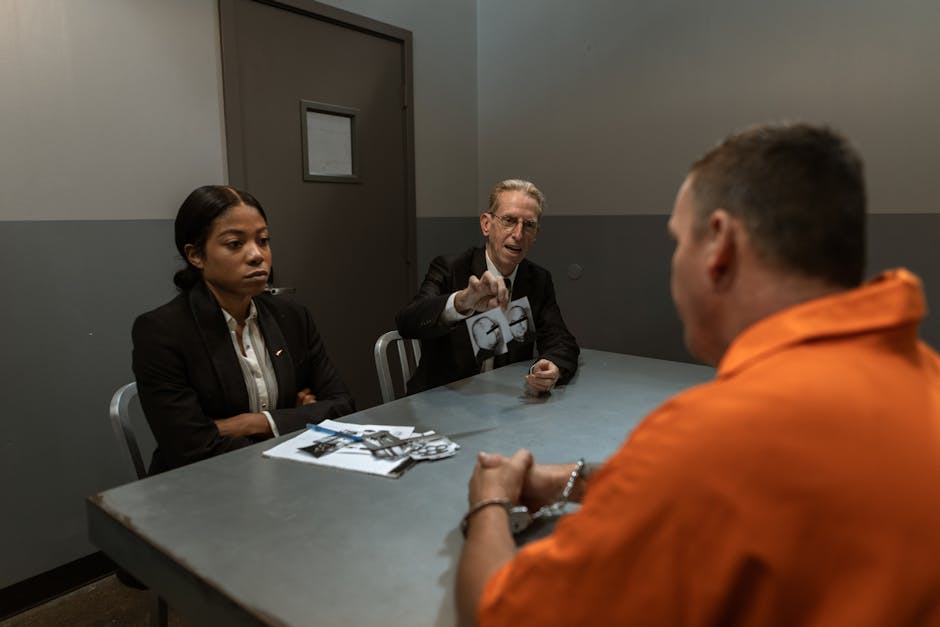
Before your next court date
- Confirm the time, location and attendance requirements. Ask your lawyer what the court is expected to deal with. Make a list of questions and any new information. Keep following bail conditions unless the court changes them.
A not guilty plea starts a process; it does not determine the outcome. The next steps are usually about understanding the prosecution case, identifying what is disputed and getting the matter ready for a decision. Ask questions early, use official Queensland Courts information for practical checks, and get individual legal advice before making decisions about your plea, bail or trial.